Happykat: A Playful Display Font for Kitten-Loving Brands
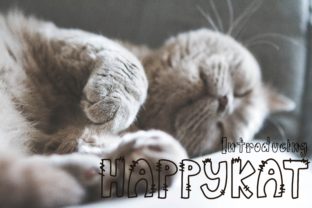
When I first saw Happykat, I immediately thought of the handmade pet treat company down the street and the cozy cat café that just opened near my studio. As a small business owner myself, I know how hard it is to find a typeface that feels both personal and professional. Happykat is a charming display font with a whimsical personality that doesn’t just say “cute”—it tells a story. The letters have a gentle bounce, soft curves, and just enough quirk to feel like a hand-lettered invitation to something warm and friendly. It’s the kind of typeface that can turn a plain Thank You card into a keepsake, or a simple product label into a conversation starter.
Why a Playful Display Font Matters for Small Brands
Most of us don’t have a full design team. We’re doing everything ourselves—from social media graphics to packaging design—and we need tools that do the heavy lifting. A display font like Happykat does more than spell out words; it shapes the mood of every customer touchpoint. When your brand uses the same expressive typeface consistently, you start to look like a real business, not a side project. That consistency builds trust. A customer who sees your logo on a storefront, then recognizes the same lettering on a product label and a website banner, feels like they know you. Happykat’s warm, kitten-inspired style makes that recognition feel effortless and joyful, not forced or corporate.
Think about the last time you bought something from a boutique or a handmade seller. Chances are, the packaging felt intentional. The font on the sticker, the tag, the little note inside—it all matched the vibe of the product. Happykat can be that unifying design asset. It’s a creative font that doesn’t try to be everything; it’s unapologetically charming, and that’s a strength. For a brand that wants to connect with animal lovers, families, or anyone who appreciates a softer touch, this typeface is like a friendly handshake.
Where Happykat Shines Brightest
This isn’t a font you’ll set a full website in, and that’s exactly the point. Happykat is best used as a headline font, a logo typeface, or an accent that draws the eye. Here are a few real-world places where it can make a tangible difference for a small business:
- Logos and business cards: A bakery named “Whisker & Whisk” or a pet-sitting service called “Purr & Play” would feel instantly more memorable with Happykat as the main wordmark. The letterforms carry enough personality to stand alone, and they scale nicely to fit on a standard business card without losing charm.
- Product labels and packaging: Picture a line of handmade soy candles with names like “Kitten Nap” or “Sunbeam Stretch.” A clean, modern sans serif font handles the ingredient details, and Happykat announces the product name with a smile. That contrast between a decorative font and a simple sans serif font is a classic font pairing that always looks intentional.
- Thank‑you cards and stickers: If you include a little note in every order, Happykat can turn “Thank you for supporting my small shop” into something that feels handwritten and heartfelt. The same goes for seal stickers or envelope liners—small touches that customers remember.
- Menus and flyers: A cat café menu board, a weekend adoption event flyer, or a pet bakery price list can all benefit from a display font that’s easy to read at a glance but still full of personality. Happykat works well for section titles, special offers, or the name of each drink.
- Website banners and social media graphics: On Instagram, Pinterest, or your website hero image, a few words set in Happykat can stop the scroll. Use it for sale announcements, new product launches, or seasonal greetings. The font holds up on mobile screens as long as you keep the line length short and the size generous.
Making Your Brand Instantly Recognizable
One of the biggest challenges for small business owners is looking like a real brand, not a hobby. A premium font like Happykat helps bridge that gap. Because it’s a display font with a distinct personality, it becomes a visual shorthand for your brand. When someone sees that soft, bouncy lettering on a thank‑you card, they’ll associate it with the experience of opening your package. When it appears on a Pinterest graphic, they’ll know it’s you before they even read the caption.
This kind of consistency matters across every touchpoint. If you run a boutique, your price tags, fitting room signs, and social media templates can all share the same typographic thread. If you’re a coach or a service provider, your welcome packet, invoice header, and digital downloads can carry the same warm, approachable tone. Happykat works especially well for brands that want to feel relatable, kind, and a little bit whimsical—without crossing into childish territory. It’s a modern typography choice that still feels grounded.
Readability Without Sacrificing Charm
Decorative fonts often make people nervous because they can be hard to read. Happykat avoids that pitfall by keeping its letterforms clear and well-spaced. The curves are playful, but the strokes aren’t overly thin or overly thick. That means it reads well on printed packaging, even on small labels, and it stays legible on social media thumbnails when you need a quick caption to grab attention. Of course, you’ll want to use it sparingly for body text—a short quote, a testimonial highlight, or a single call-to-action works beautifully. For anything longer than a sentence or two, pair it with a highly readable serif font or a clean sans serif font. That way, the charm lifts the design without overwhelming the reader.
Testing Happykat Before You Commit
I always recommend that business owners test a font in their real environment before buying a commercial license. Open your design software, type out your business name, a few product names, and a short tagline. Print them at actual size on your home printer, or mock them up on a real product photo. Look at the result on your phone screen. Does the font feel like you? Does it make your brand look more polished, not more cluttered? Pay attention to how the letter spacing feels at small sizes—Happykat holds up well, but you’ll want to double-check numbers and special characters if your business name uses them. A quick test can save you from the frustration of rebuilding your entire brand identity later.
Pairing Ideas That Let Happykat Lead
One of the most practical skills in small business branding is font pairing. A decorative font like Happykat needs a partner that lets it shine without competing. Here are a few simple combinations that work in real-life settings:
- Happykat + clean sans serif font: Think of a modern, geometric sans serif with even stroke widths. This pairing is perfect for a logo where the business name is in Happykat and the tagline is in the sans serif. It also works beautifully on a product label, with the scent name in the display font and the weight in the sans serif.
- Happykat + readable serif font: A gentle, old-style serif can add a touch of tradition without dulling the playfulness. This is a great choice for a café menu, a coaching workbook, or a thank‑you card that needs a little more formality. The serif font handles the longer text, while Happykat takes care of the headings and highlights.
- Happykat + handwritten font (used sparingly): If you want to lean into the cozy, made-by-hand feel, you can add a subtle handwritten font for small accents like dates or signatures. Just be careful not to overdo it—Happykat already carries a lot of personality, so a secondary script font should be understated.
No matter what you pair it with, the goal is contrast. Let Happykat be the expressive typeface that grabs attention, and let the supporting font do the quieter work of guiding the reader.
The Licensing Side You Shouldn’t Overlook
Before you place Happykat on your product packaging, sell a template, or use it in a client project, take a close look at the commercial font licensing terms. Many display fonts come with a standard desktop license that covers things like logos, printed materials, and static web images. But if you plan to embed the font in a digital product, use it on merchandise you sell, or include it in a logo design for a client, you may need an extended license. This isn’t a boring detail—it’s a way to protect your business and stay on the right side of the designer’s terms. Always check the license information on the font’s product page, and if you’re unsure, reach out to the creator. A small investment upfront can save you from legal headaches later.
Building a Brand Identity That Feels Like Home
At the end of the day, the fonts you choose help shape how people feel about your business. Happykat isn’t just a cute kitten font; it’s a design asset that can bring warmth, consistency, and a recognizable personality to your brand identity. Whether you’re packaging hand-poured candles, designing a menu for a cat café, or creating social media graphics for a pet-sitting service, this typeface gives you a head start. It’s one of those rare creative fonts that manages to be both distinctive and genuinely useful—not just a pretty alphabet, but a tool that helps your business look the way you’ve always imagined it.
So if you’ve been searching for a display font that feels like a breath of fresh air—something that says “professional” without being stiff, and “friendly” without being messy—Happykat might be exactly what your brand has been missing. Try it on a few real projects, pair it with a solid sans serif or serif font, and watch your materials start to work harder for you.